Folk Art
First Impressions: A Visual Statement
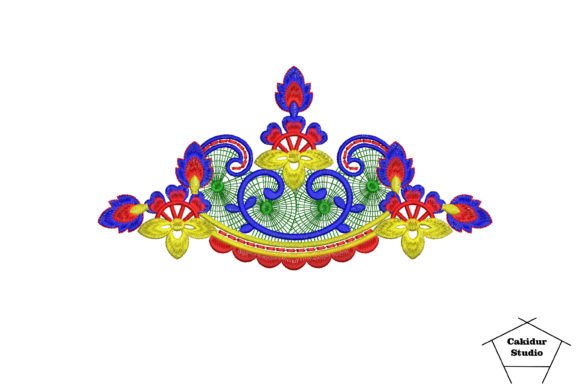
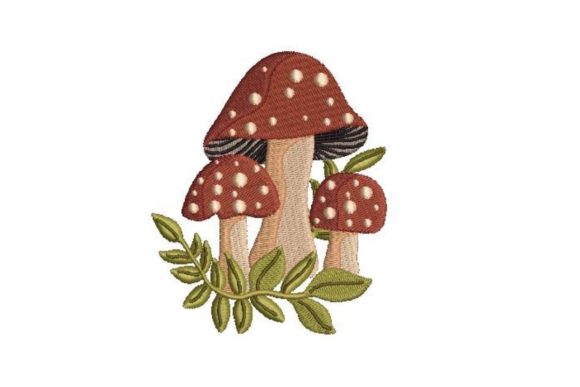
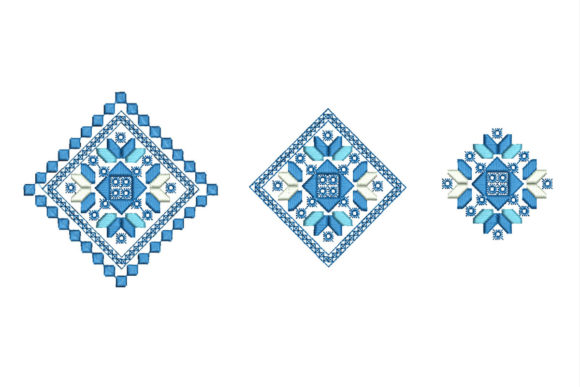
Folk Art immediately caught my eye with its rich, textured design and intricate detailing. The motif feels handcrafted, evoking a sense of nostalgia and authenticity. It's the kind of embroidery that tells a story, blending traditional elements with modern appeal. The color palette is warm and earthy, making it versatile for both seasonal and year-round projects.
Detail Level and Stitching Personality
The level of detail in Folk Art is impressive. From the delicate floral patterns to the subtle textures, every element contributes to the overall visual depth. This design is perfect for those who appreciate the artistry of machine embroidery design and enjoy working with applique design techniques. The use of satin stitch and fill stitch adds dimension and softness, while the occasional running stitch creates a rhythmic flow throughout the design.
Practical Use in Real Projects
Folk Art has a wide range of applications. I've considered using it on custom apparel, such as sweatshirt embroidery and cap designs, where its intricate details can stand out without overwhelming the garment. It also works well on handmade products like pillow covers, kitchen towels, and nursery decor. For commercial embroidery, it could be an excellent choice for boutique merchandise or printable mockups used in Etsy listings.
I’ve also thought about how it might perform on aprons and personalized gifts, where the design’s unique character can elevate the product’s value. The ability to adapt it to various fabric types—especially textured fabric and stretchy fabric—makes it a flexible option for different project needs.
Testing and Performance Considerations
Before committing to a design, it’s essential to test it on scrap fabric. I recommend checking the stitch density and ensuring the hoop size is appropriate for the design’s complexity. Folk Art has some dense stitch areas that may require careful handling, especially when working with dark fabric or curved surfaces like caps.
For best results, always use proper stabilizer to prevent puckering and maintain even tension. If you're planning to sell finished items, make sure to review the licensing terms on the Creative Fabrica embroidery product page to ensure compliance with any commercial use restrictions.
Impact on Product Value and Presentation
Folk Art can significantly enhance the visual appeal of a handmade product. Its unique aesthetic can set your items apart from mass-produced alternatives, increasing buyer trust and customer engagement. When used consistently across a product line, it helps build brand consistency and reinforces a cohesive brand identity.
For personalized gifts and handmade products, the design’s charm makes it highly giftable. Whether it's a tote bag design, a patch, or a bedsheet, Folk Art adds a touch of personality that resonates with customers looking for meaningful, crafted items.
Design Assets and Final Output
The embroidery file includes multiple options, which is a great asset for designers looking to experiment with different placements and sizes. It’s important to confirm the file details before proceeding with production, especially if you plan to offer digital embroidery files or printable mockups.
After stitching, take time to inspect small details. The design’s intricacy means that even minor imperfections can be noticeable. Testing on a variety of fabrics, including light and dark fabric mockups, will help ensure the final product meets your expectations.
Final Thoughts on Folk Art
Folk Art is a versatile and visually compelling machine embroidery design that offers a blend of tradition and modernity. Its detailed nature makes it ideal for custom apparel, handmade gifts, and commercial embroidery projects. While it requires attention to detail during the stitching process, the result is a product that stands out in both quality and presentation.
Whether you're an Etsy seller, a small business owner, or a craft fair vendor, Folk Art can add a unique touch to your offerings. Just remember to test thoroughly, use the right tools, and ensure you’re compliant with any licensing requirements before selling your finished embroidered products.