Traditional Indian Border Review
First Impressions: A Rich Cultural Touch
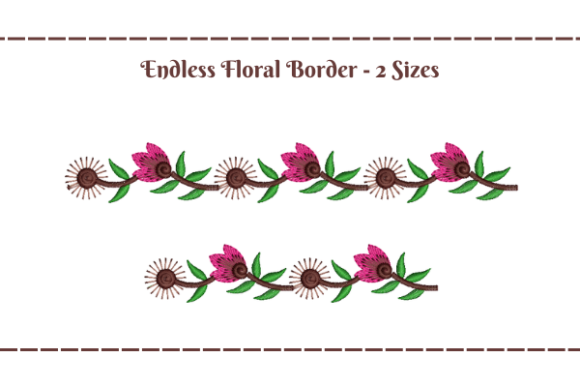
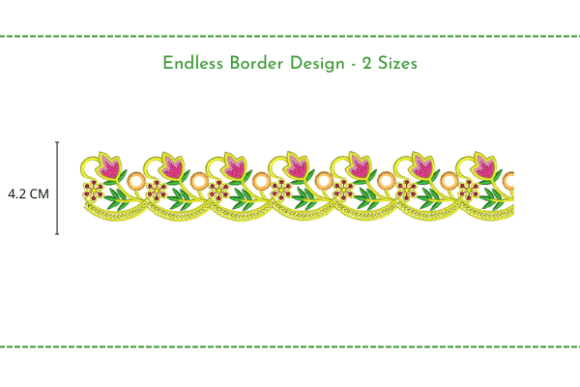
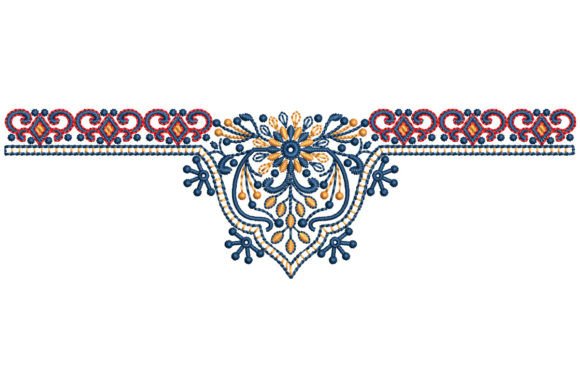
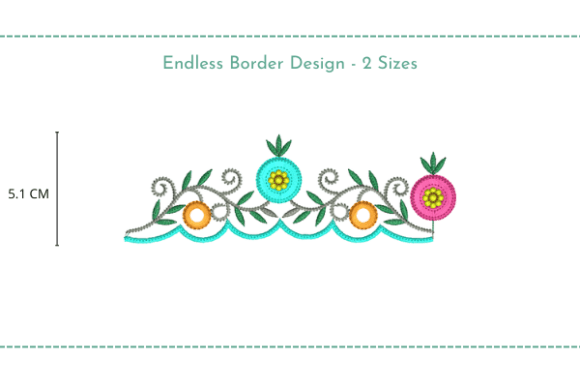
The Traditional Indian Border immediately caught my eye with its intricate detailing and warm, traditional aesthetic. The design is rich in texture and color, evoking the classic motifs often seen in South Asian textiles. It carries a sense of elegance and cultural depth that can elevate any handmade project.
Visually, the Traditional Indian Border feels like a piece of history brought to life. Its detailed patterns are reminiscent of handwoven fabrics, with subtle variations in stitch density that add depth and dimension. The border features a mix of satin stitch and running stitch, creating a soft yet bold appearance that works well on both light and dark fabrics.
Design Versatility for Real Projects
As an embroidery designer, I’ve used the Traditional Indian Border on several real projects, including custom apparel, tote bags, and baby items. Its versatility makes it suitable for a wide range of applications, from casual wear to home decor.
- Sweatshirt Embroidery: The Traditional Indian Border adds a unique touch to personalized sweaters, especially when paired with neutral or earthy tones.
- Tote Bag Design: When stitched onto a tote bag, the border becomes a statement piece, blending tradition with modern fashion.
- Baby Items: The Traditional Indian Border is ideal for nursery decor, such as pillow covers and blankets, offering a gentle yet sophisticated look.
- Caps and Patches: The design’s compact nature makes it perfect for small items like embroidered patches or caps, where detail matters most.
- Home Decor: From tablecloths to cushion covers, the Traditional Indian Border brings a timeless charm to everyday household items.
Practical Considerations for Embroidery Success
When using the Traditional Indian Border, there are a few practical considerations to keep in mind. First, the design includes dense stitch areas, which may require careful handling to avoid puckering or distortion. It’s essential to use the right hoop size and ensure the fabric is properly stabilized with a stabilizer to maintain tension and prevent shifting during stitching.
For stretchy fabrics like cotton blends or denim, testing the design on scrap fabric is highly recommended. This allows you to assess how the Traditional Indian Border performs on different materials and adjust your approach accordingly. Additionally, checking thread color contrast is crucial to ensure the design stands out clearly against the fabric background.
Another important factor is stitch density. While the design is detailed, some areas may be more densely packed than others. If you're working on a project that requires frequent washing, such as a kitchen towel or apron, consider how the Traditional Indian Border will hold up over time. Proper stabilizer use and careful stitching can help preserve the design’s integrity.
Enhancing Product Value and Brand Consistency
The Traditional Indian Border has the potential to significantly enhance the value of your handmade products. Its cultural appeal and intricate design make it a standout choice for customers looking for unique, personalized gifts or bespoke items. Whether it's a personalized gift or a custom apparel piece, the border adds a level of craftsmanship that resonates with buyers.
From a branding perspective, the Traditional Indian Border can help establish a cohesive visual identity. Its consistent style and attention to detail align well with brands that emphasize quality and heritage. When used across multiple product lines, such as printable mockups and digital embroidery files, the design supports a unified brand image that customers can recognize and trust.
Handmade Presentation and Customer Engagement
When it comes to handmade product presentation, the Traditional Indian Border offers a natural advantage. Its intricate details and cultural significance make it a compelling subject for product photography and storytelling. Whether displayed on a sweatshirt embroidery or a pillow cover, the border invites customers to engage with the story behind the design.
Moreover, the Traditional Indian Border lends itself well to giftability. Its timeless appeal makes it a great option for seasonal handmade gifts, such as holiday ornaments or custom aprons. Customers appreciate the thought and effort that goes into each stitch, making the final product feel more personal and meaningful.
Final Thoughts on Using Traditional Indian Border
In summary, the Traditional Indian Border is a versatile and visually striking embroidery design that can elevate a wide range of projects. Its intricate details and cultural richness make it a valuable addition to any creative toolkit. Whether you're a small business owner, craft fair vendor, or digital product seller, this design offers both artistic and practical benefits.
Before using the Traditional Indian Border for commercial purposes, always review the design assets and license terms on the Creative Fabrica product page. Ensuring proper usage rights is essential for maintaining brand integrity and customer trust. With careful preparation and attention to detail, the Traditional Indian Border can become a staple in your embroidery workflow.